Vulnerable groups in Powys risk being left without adequate support in future emergencies
Vulnerable groups in Powys could be left without essential support in a future emergency such as another pandemic, the Senedd Public Accounts and Public Administration Committee has been warned.
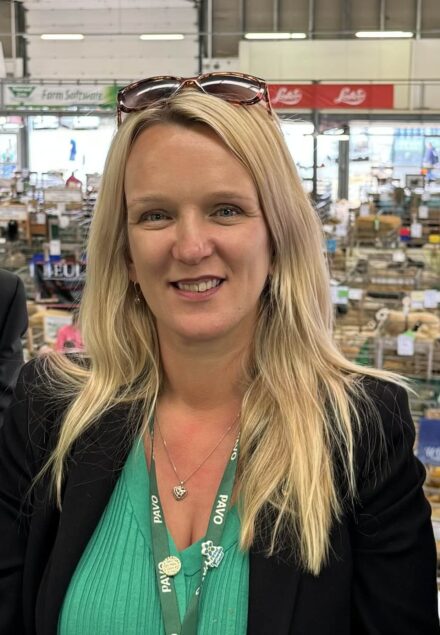
Speaking during a COVID-19 evidence session last month (27th November), PAVO Chief Executive, Clair Swales, highlighted the growing crisis facing groups that support adults with disabilities and learning difficulties. She warned that recent closures risk leaving large numbers of people without trusted, long-standing sources of help.
Swales told the committee: “During COVID, we had some very local groups that had, for many years, supported people with learning disabilities and their families. They rapidly adapted the way they worked during the pandemic – moving information and support sessions online, for example.
“What I’m very concerned about now is that we’re seeing these groups having to close due to financial pressures.”
She pointed to the closure of BCA Independent Advocacy Services in Brecon earlier this year as a significant cause for concern, saying it: “leaves a large number of people very vulnerable. We’re not yet clear what services will be put in place to support those individuals. They’ve built trusted relationships with staff and volunteers, and the closure has been devastating for them.”
Swales further highlighted that people living in Powys faced heightened impact of loneliness and isolation during the pandemic, noting those shielding in rural communities also experienced significant challenges accessing food and prescriptions.
In response, the Powys voluntary sector mobilised at speed. A total of 126 community support groups were established across the county to reach the most remote areas, supported by befriending services and grassroots community action.
Swales told the committee that the sector was uniquely positioned to adapt quickly: “Our community connector service and volunteer service shifted within days from a five-day-a-week service to a seven-day-a-week operation, extending call lines until 10pm to support individuals.”
Over a four-month period, PAVO received more than 4,900 referrals, provided an additional 647 hours of support, and recruited over 1,400 volunteers to assist microlocal COVID-19 response groups.
Swales warned that ongoing funding pressures across the voluntary sector risk undermining Powys’s ability to respond effectively in a future emergency.
She told the committee: “If I was asked to respond now and bring the third sector to respond to an emergency at this moment, I could.
“I think future involvement might be more challenging as the sector is facing those financial pressures and capacity pressures.”